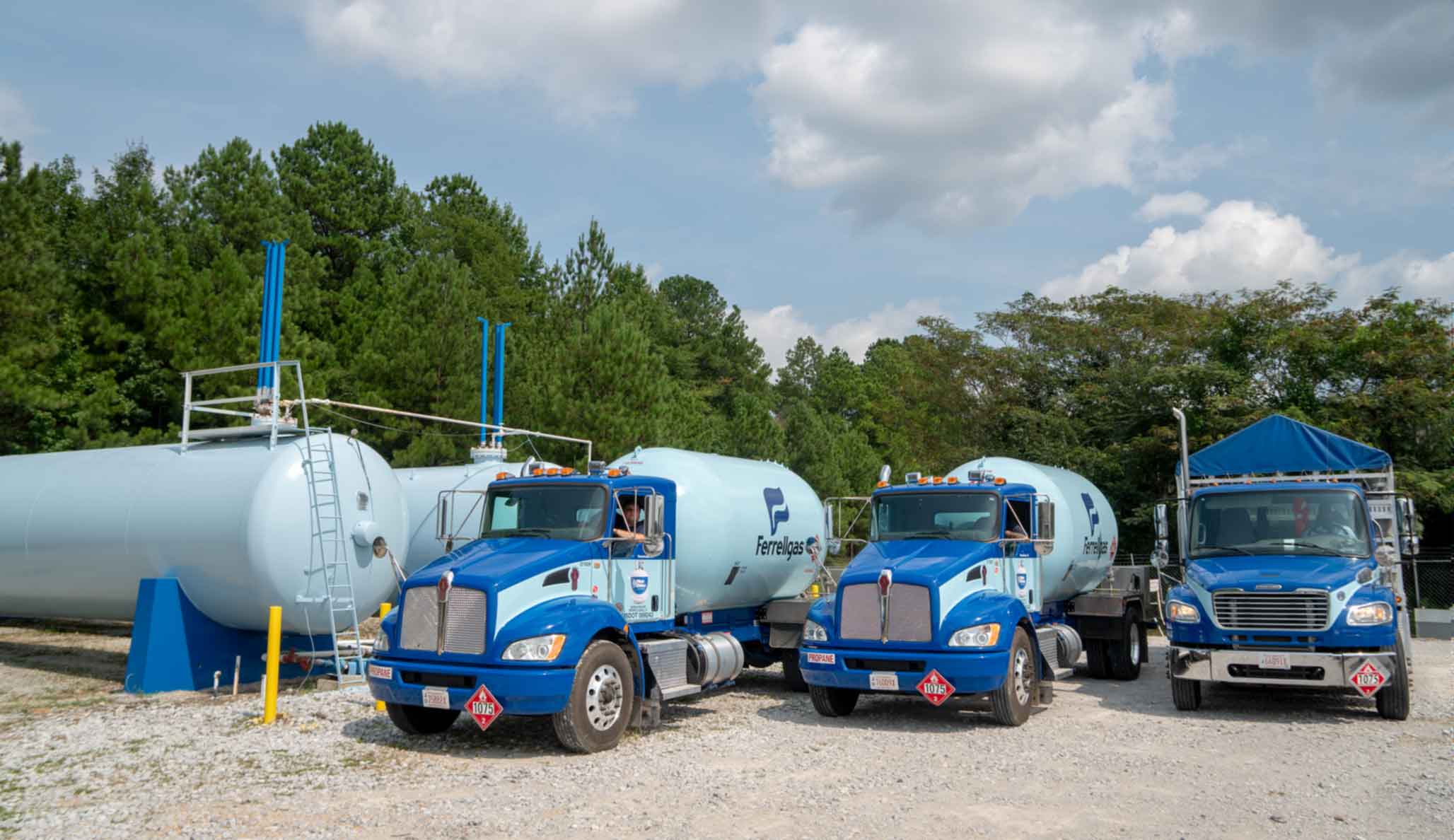
Understanding Gaseous Fuels: More Than Just a Crossword Answer
When you encounter the clue "Gaseous fuel" in a crossword puzzle, two common answers often spring to mind: Butane and Methane. While these are indeed excellent solutions (and often the exact ones you're looking for, fitting the 6 or 7 letter counts perfectly), understanding these fundamental hydrocarbons goes far beyond just filling in a blank. Gaseous fuels play an indispensable role in powering our modern world, from heating our homes and cooking our food to propelling vehicles and generating electricity. Delving into the characteristics of butane and methane reveals why they are so vital, their distinct properties, and the diverse applications that make them cornerstones of our energy landscape.
At its core, a gaseous fuel is any fuel that exists in a gaseous state at standard temperature and pressure. This characteristic gives them unique advantages, such as cleaner combustion and efficient mixing with air, leading to higher efficiency in many applications compared to liquid or solid fuels. However, it also presents challenges, particularly concerning storage and transportation. As we explore Butane and Methane, we'll uncover the fascinating science behind these everyday fuels and appreciate their significance in our lives. If you're looking for quick answers to the
Gaseous Fuel Crossword: Top 6-7 Letter Answers Revealed, you've certainly come to the right place to also understand the 'why' behind them.
Butane vs. Methane: A Deep Dive into Their Properties and Uses
While both Butane and Methane are classified as hydrocarbons and serve as invaluable gaseous fuels, their molecular structures, physical properties, and primary applications differ significantly. Understanding these distinctions is key to appreciating their versatility and specific roles.
Methane: The Simplest Hydrocarbon
Methane (CH4) is the simplest hydrocarbon, consisting of one carbon atom bonded to four hydrogen atoms. It is the primary component of natural gas, typically making up 70-90% of its volume. Methane is a colorless, odorless gas (though odorants like mercaptan are added to natural gas for safety detection). It is significantly lighter than air.
*
Sources: Methane is predominantly found in natural gas deposits, often alongside petroleum. It is also produced through the anaerobic decomposition of organic matter, making it a key component of biogas (from landfills, agriculture, and wastewater treatment) and a naturally occurring gas in marshes and wetlands.
*
Properties: Methane has an extremely low boiling point of approximately -161.5 °C (-258.7 °F). This means that to store it as a liquid (Liquefied Natural Gas or LNG), it must be cryogenically cooled, or compressed to very high pressures (Compressed Natural Gas or CNG).
*
Uses: Methane's most widespread use is as a major energy source for residential and commercial heating, cooking, and industrial processes. It is also increasingly used as a fuel for power generation in electricity plants and as a vehicle fuel (CNG and LNG). Its clean-burning nature, producing less CO2 per unit of energy compared to other fossil fuels, makes it an attractive option for reducing emissions.
Butane: The Versatile Cousin
Butane (C4H10) is a more complex hydrocarbon compared to methane, composed of four carbon atoms and ten hydrogen atoms. It exists in two isomeric forms: n-butane and isobutane. Butane is also a colorless, highly flammable gas, but unlike methane, it is heavier than air.
*
Sources: Butane is primarily derived from petroleum refining and natural gas processing. It is a key component of Liquefied Petroleum Gas (LPG), often mixed with propane.
*
Properties: Butane has a significantly higher boiling point than methane, around -0.5 °C (31.1 °F). This higher boiling point is crucial because it allows butane to be easily liquefied under relatively low pressure at room temperature. This property makes it exceptionally convenient for storage and transport in cylinders as a liquid.
*
Uses: Due to its easy liquefaction, butane is highly favored for portable applications. It's commonly found in camping stoves, portable heaters, lighters, and as a fuel for barbecues when mixed with propane in LPG. It also serves as a propellant in aerosols, a refrigerant, and a feedstock in the petrochemical industry for producing plastics and synthetic rubber.
Key Differences and Practical Applications
The fundamental differences between Butane and Methane lead to distinct advantages and disadvantages, influencing their optimal uses.
Boiling Point and Storage Convenience
The most defining difference between butane and methane, from a practical standpoint, is their boiling point. Methane's extremely low boiling point necessitates highly specialized and costly cryogenic storage for LNG or robust high-pressure tanks for CNG. This makes its widespread portable use challenging and expensive, generally limiting it to applications connected to a pipeline network or large-scale vehicle fleets.
Butane, with its boiling point near freezing, is easily liquefied at moderate pressures. This is why you see butane (or butane/propane mix, i.e., LPG) sold in small, lightweight cylinders for camping, or larger tanks for home heating in areas without natural gas pipelines. Its ease of liquefaction makes it incredibly convenient for off-grid and portable energy needs.
Energy Density and Efficiency
Both fuels offer excellent energy density upon combustion. However, when considering liquid storage, butane (as LPG) generally offers a higher energy content per unit volume than LNG or CNG. This is due to its larger molecular size and the greater density of its liquid form under practical storage conditions. For applications where space is at a premium, like portable devices, this can be a significant advantage. Methane, however, generally produces slightly more energy per unit *mass* when comparing the pure gases, but its storage challenges often complicate direct comparisons in real-world scenarios.
Environmental Impact and Safety
When combusted completely, both butane and methane produce carbon dioxide (CO2) and water (H2O). Compared to other fossil fuels like coal and oil, they are considered cleaner burning, producing fewer particulate matter, sulfur oxides, and nitrogen oxides.
However, methane presents a unique environmental challenge: it is a potent greenhouse gas, far more effective at trapping heat in the atmosphere than CO2 over a 20-year period, although its atmospheric lifetime is shorter. Therefore, any leakage of uncombusted methane (known as "fugitive emissions") from production, transport, or storage systems is a significant concern. Safety-wise, both are highly flammable and require careful handling. Methane, being lighter than air, tends to dissipate upwards, while butane, being heavier, can accumulate in low-lying areas, posing a different type of risk in enclosed spaces.
Navigating the Gaseous Fuel Crossword Clue and Beyond
Whether you're tackling a challenging puzzle or simply curious about the world around you, understanding the differences between Butane and Methane offers valuable insights. For those looking to conquer the "Gaseous fuel crossword clue," remembering that **BUTANE** (6 letters) and **METHANE** (7 letters) are your go-to answers will serve you well. Our guide,
Gaseous Fuel Crossword: Top 6-7 Letter Answers Revealed, provides even more direct assistance for your puzzle-solving endeavors.
Beyond the realm of crosswords, this knowledge empowers you to make informed choices as a consumer. For instance:
*
Portable Power: If you're looking for fuel for a camping stove, a portable heater, or a barbecue, you'll almost certainly be using butane or a butane/propane mix (LPG) due to its easy liquefaction and convenient cylinder storage.
*
Home Heating/Cooking: If your home uses natural gas, you're primarily relying on methane delivered via a pipeline. For homes without natural gas access, propane (often mixed with butane) is a common alternative, delivered in larger tanks.
*
Vehicle Fuel: While less common for passenger cars in some regions, natural gas vehicles (NGVs) run on methane (as CNG or LNG), offering a cleaner-burning alternative to gasoline or diesel.
To dive deeper into the broader category of these essential energy sources, explore our article
Gaseous Fuels Explained: Butane, Methane, and Their Uses for a comprehensive overview.
Conclusion
Butane and Methane, while often grouped under the umbrella of "gaseous fuels," are distinct hydrocarbons with unique properties that dictate their specific applications. Methane, the simpler molecule and primary component of natural gas, fuels much of our stationary energy needs, from power generation to home heating. Butane, easily liquefied under pressure, shines in portable and off-grid applications. Both offer cleaner combustion profiles than many other fossil fuels, yet each comes with its own set of environmental and safety considerations. Understanding these differences not only helps you solve a "Gaseous fuel crossword clue" with confidence but also deepens your appreciation for the complex chemistry that powers our daily lives.